Water-proof Equipment Checklist for Campers
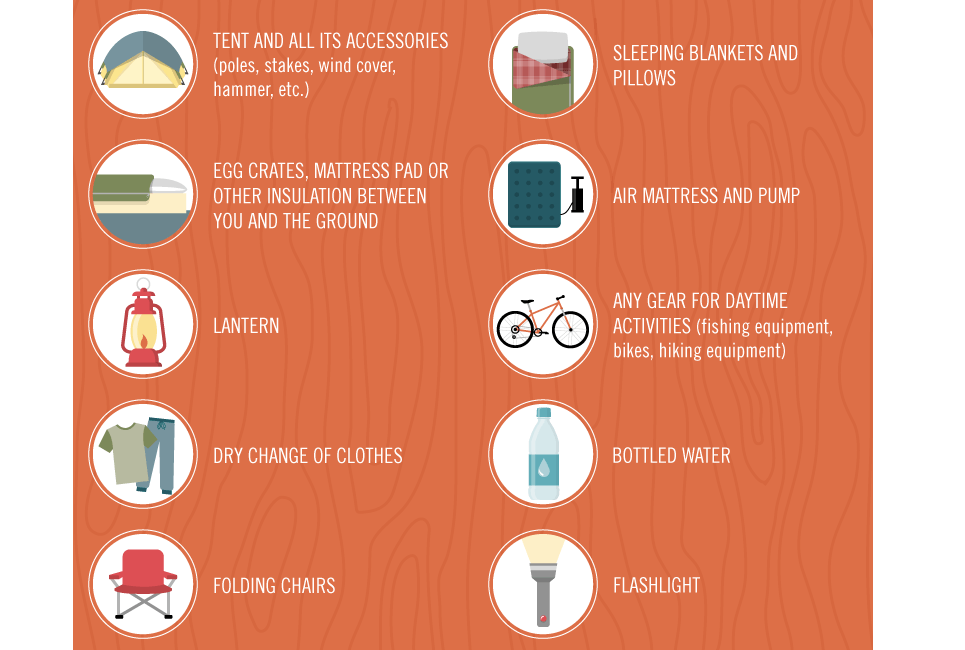
There's nothing that finishes an outdoor camping trip much faster than a soaked sleeping bag or a camping tent that leakages at 2 a.m. Rain does not respect your schedule, and neither does early morning dew, river spray, or the pool you didn't see up until you actioned in it. The good news is that staying completely dry in the backcountry isn't made complex. It just takes the best equipment, loaded and used properly. Below's a complete rundown of what every camper must have prior to heading out.
Shelter: Your First Line of Defense
A Truly Water-proof Tent
Not all camping tents marketed as "climate immune" can actually deal with continual rainfall. Seek a hydrostatic head score of a minimum of 1,500 mm for the rainfly and 3,000 mm or higher for the floor, since that's where merging water and ground dampness do one of the most damage. Seams ought to be factory-taped, and it deserves examining them for wear prior to every trip, because joint tape breaks down with time.
A Footprint or Ground Tarp
Placing a footprint under your camping tent secures the flooring from abrasion and includes an added moisture barrier. Ensure the tarp doesn't prolong beyond the camping tent's sides, or it will certainly accumulate rain and channel it appropriate underneath you.
Guylines and a Proper Pitch
Even the very best camping tent stops working if it's pitched improperly. Tight guylines and a well-staked rainfly maintain water from merging on the roofing or seeping in at stress and anxiety factors. Technique pitching your outdoor tents in the house so you're not screwing up with it in a rainstorm.
Rest System: Remaining Dry Where It Issues A lot of
A Dry Bag for Your Resting Bag
A damp resting bag is miserable and, in chilly conditions, really harmful. Store your bag in a devoted dry sack, not just the stuff sack it came with, and compress it after the journey so it dries out totally prior to your next trip.
A Water Resistant or Synthetic-Fill Sleeping Bag
Down insulation is warm and light, however it sheds nearly all its protecting power when wet. If you're camping somewhere damp, take into consideration a synthetic-fill bag or one with hydrophobic-treated down, which stands up to dampness much much better than without treatment down.
A Sleeping Pad with a Waterproof Shell
Insulated pads with secured, water resistant exteriors keep ground moisture from seeping with and include a layer of comfort between you and a potentially moist outdoor tents flooring.
Clothing: The Layer Between You and the Aspects
A Hardshell Rainfall Coat
Seek a jacket with a waterproof-breathable membrane and taped seams. Breathability matters as long as waterproofing, considering that a coat that catches sweat will leave you just as wet as one that leaks.
Rain Pants
Commonly forgotten, rainfall pants are important if you're hiking to your campground or moving around in sustained rain. Select a couple with unabridged side zippers so you can put them on over boots without eliminating them.
Water-proof Boots and Bonus Socks
Wet feet result in blisters and, in cold weather, boost the threat of frostbite. Water-proof boots with a breathable membrane layer, coupled with woollen or artificial socks, maintain feet completely dry and manage temperature level even if boots do obtain damp within.
Equipment Defense: Maintaining Every Little Thing Else Dry
Dry Bags for Your Pack
A backpack rain cover helps, however it won't stop water from leaking in with zippers and seams. Pack crucial products, like electronics, camping lantern matches, and spare clothing, in individual completely dry bags as a back-up.
A Water-proof Things Sack for Fire-Starting Products
Absolutely nothing is a lot more discouraging than a damp lighter or soggy matches when you need heat most. Maintain a committed water-proof container for suits, a lighter, and fire starter, and think about packing a backup ferro rod too.
A Tarpaulin for Communal Locations
A big tarpaulin strung above your cooking and gathering location provides you a dry space to prepare food and socialize, also in constant rainfall. It's a small addition that dramatically boosts convenience on wet trips.
Last Ideas
Staying dry while outdoor camping isn't regarding purchasing the most pricey equipment on the market. It's about recognizing where water enters, whether through a tent joint, a jacket zipper, or a pack that isn't quite secured, and attending to each of those points deliberately. Construct your checklist around shelter, rest system, clothes, and gear defense, and you'll be ready to handle whatever the climate brings. A well-prepared camper does not just endure the rain; they barely observe it.